Only 3 of 13 textile recycling routes are bankable today, Accelerating Circularity study finds
A new Accelerating Circularity study finds that textile-to-textile recycling is held back by finance rather than technology, with only three of 13 routes bankable and mechanical recycling able to take at most 6.6% of sorted post-consumer textiles.
 Egytex News Desk
Source: Just Style
Egytex News Desk
Source: Just Style
Recycling old clothes into new textiles at scale is being held back by money, not technology, according to a study by the non-profit Accelerating Circularity, reported by Just Style on 6 October.
The study, Systemic Bankability of Textile-to-Textile Recycling, scored 13 recycling pathways against 12 risk factors that affect access to commercial capital, focusing on advanced European markets. It found that only three routes are bankable under current risk outlooks: mechanical recycling of post-industrial and of post-consumer feedstock, and industrial polyamide depolymerisation.
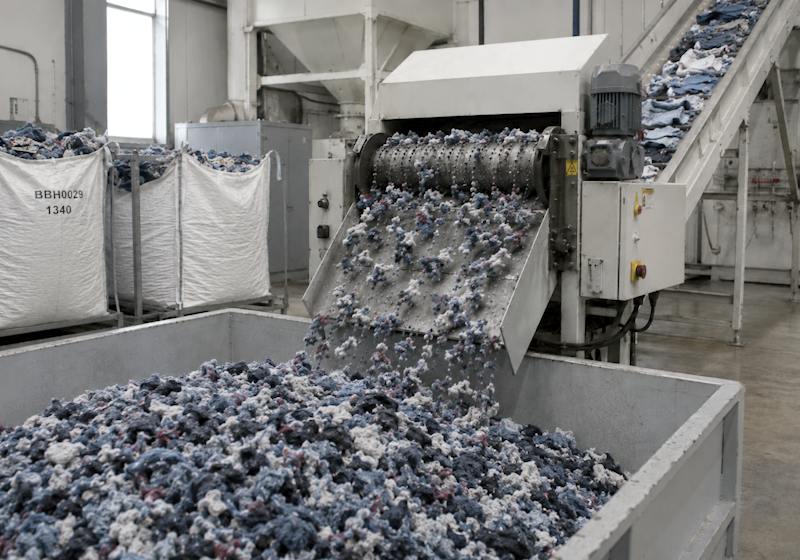
Mechanical recycling is the only broadly unblocked option for post-consumer textiles, yet it can process at most 6.6% of sorted post-consumer material, the study said. Other routes are held back by technological uncertainty, limited demand, cost gaps against virgin materials, performance risk at first commercial plants and fragmented coordination. Capital grants, the most common support tool, are not enough on their own.
For brands and retailers, the study identifies multi-year offtake agreements with firm volumes as the most effective step, one that requires no new policy. "The barriers to textile-to-textile recycling at scale are commercial rather than technical," said Accelerating Circularity chief executive Edd Denes. The organisation plans a pre-competitive coalition and will discuss the findings at the Textile Exchange conference in Vancouver on 15 October.
What it means for Egyptian exporters
European brands are under growing pressure to put recycled fibre into their products, but this study shows that supply of textile-to-textile recycled material will stay tight for years. For Egyptian spinners and garment makers, the practical opportunity lies in mechanical recycling of their own cutting waste and post-industrial scrap, the routes the study rates as bankable. Mills that can document recycled content from their own waste streams will be better placed with EU buyers preparing for stricter circularity rules.
Source: Just Style, 6 October 2026